

Making home-visit dental care work early
Published: 30 Apr. 2026, 00:03
Audio report: written by reporters, read by AI
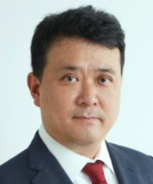
Myoung Hoon
The author is the head of clinical services and public care center, Seoul National University Dental Hospital.
An older adult colleague in the Korean Academy of Geriatric Dentistry often visits his mother in a long-term care facility, sharing meals and conversation. Drawing on his dental training, he carefully cleans her mouth using a toothbrush, toothpaste, several types of interdental brushes, floss and a tongue cleaner. For families caring for parents with limited mobility, this is a scene that is both admirable and difficult to replicate.
![A patient room at a nursing hospital in Suji District, Yongin, Gyeonggi Province [Nam Soo-hyoun]](https://koreaseafood.online/data/photo/2026/04/30/15ea4128-1689-4fd9-a633-b883f10afb58.jpg)
A patient room at a nursing hospital in Suji District, Yongin, Gyeonggi Province [Nam Soo-hyoun]
Since March 27, home-visit medical care has been formally enabled under the Integrated Care Support Act. Previously, while the Medical Service Act did not explicitly prohibit house calls, they were largely treated as one-time visits similar to emergency calls. The new framework provides a clearer legal basis for ongoing care delivered outside hospitals, including in private homes and long-term care facilities, marking a shift toward more continuous and accessible services.
As people age, many experience conditions that make daily life difficult without assistance. Some receive care at home while attending short-term care centers, while others reside in nursing facilities. Diseases such as cerebrovascular disorders or Parkinson’s disease can impair hand movement, and cognitive decline, including dementia, can make basic oral hygiene tasks such as toothbrushing difficult. In these situations, family members or caregivers often step in, but without professional training, there are clear limitations. Regular visits by dental professionals are therefore essential not only for hygiene management but also for timely treatment.
Oral health also has a direct connection to quality of life in later years. Few individuals wish to live in complete dependence on others. The ability to walk, eat and use the bathroom independently is closely tied to maintaining dignity. As life expectancy increases, reducing the duration of frailty and dependency has become a shared objective. Within this process, oral health occupies a central position.
When appetite declines and oral function deteriorates, adequate nutrition becomes difficult. This leads to a decrease in muscle mass, which in turn reduces physical activity and further suppresses appetite. If falls or fractures occur, the cycle can accelerate, resulting in rapid physical decline. Many studies identify impaired oral function as a key gateway in this progression. For this reason, professional intervention is necessary to sustain a longer period of independent and non-frail living.
Comprehensive oral care involves strengthening the muscles of the lips and tongue, improving swallowing function to reduce choking and managing dryness in the mouth. These measures play a decisive role in maintaining overall health among older adults. However, for home-visit dental care to become established, institutional preparation is essential. It is also necessary to acknowledge that such care cannot achieve the same level of completeness as treatment delivered in fully equipped clinical settings.
In practice, dentists cannot transport all necessary equipment, and diagnostic tools such as radiographic imaging are often unavailable. In addition, sufficient support staff may not be present. Under these constraints, the goal inevitably shifts from achieving perfection to providing the best possible care within limitations. Understanding these realities is crucial for both providers and patients.
![Visitors examine dental chairs and other advanced equipment at the “Busan Dental Exhibition 2026,” held on March 22 at Exhibition Hall 2 of BEXCO in Haeundae District, Busan. The event showcases the latest dental technologies and supports companies in expanding market opportunities. [JOONGANG ILBO]](https://koreaseafood.online/data/photo/2026/04/30/be635373-430a-4e49-bf6a-c3613c9bab2e.jpg)
Visitors examine dental chairs and other advanced equipment at the “Busan Dental Exhibition 2026,” held on March 22 at Exhibition Hall 2 of BEXCO in Haeundae District, Busan. The event showcases the latest dental technologies and supports companies in expanding market opportunities. [JOONGANG ILBO]
From the perspective of patients and caregivers, it is important to approach home-visit dental care with realistic expectations. Rather than seeking complete treatment, the priority may be to relieve symptoms and improve daily comfort. Because care is delivered outside conventional medical institutions, there is also potential exposure to legal risks. To encourage greater participation by dentists, appropriate compensation must be accompanied by institutional safeguards that provide legal protection.
Anyone who has accompanied an older adult with limited mobility to a dental clinic will recognize the urgency of home-visit services. Transferring a patient to a wheelchair or dental chair often requires the assistance of at least two adults. While procedures such as smoothing a sharp tooth may cost only a small amount under national insurance coverage, transportation by ambulance can cost around 200,000 won ($135), creating a significant burden.
For elderly individuals without financial resources or family support, dental discomfort is often endured rather than treated. Some continue to suffer from tooth pain because they cannot visit a clinic, while others experience repeated colds or even pneumonia due to poor oral hygiene. Caregivers, too, face considerable challenges in managing these situations.
All of these individuals should be able to access necessary dental care in their homes or care facilities. Oral health is fundamental to overall well-being. Establishing a stable system of home-visit dental care at an early stage is therefore not simply desirable but necessary.
This article was originally written in Korean and translated by a bilingual reporter with the help of generative AI tools. It was then edited by a native English-speaking editor. All AI-assisted translations are reviewed and refined by our newsroom.


with the Korea JoongAng Daily
To write comments, please log in to one of the accounts.
Standards Board Policy (0/250자)