

미 대법원, 트럼프 행정부 ‘광범위 관세’ 심리하기로
Published: 15 Sep. 2025, 09:32
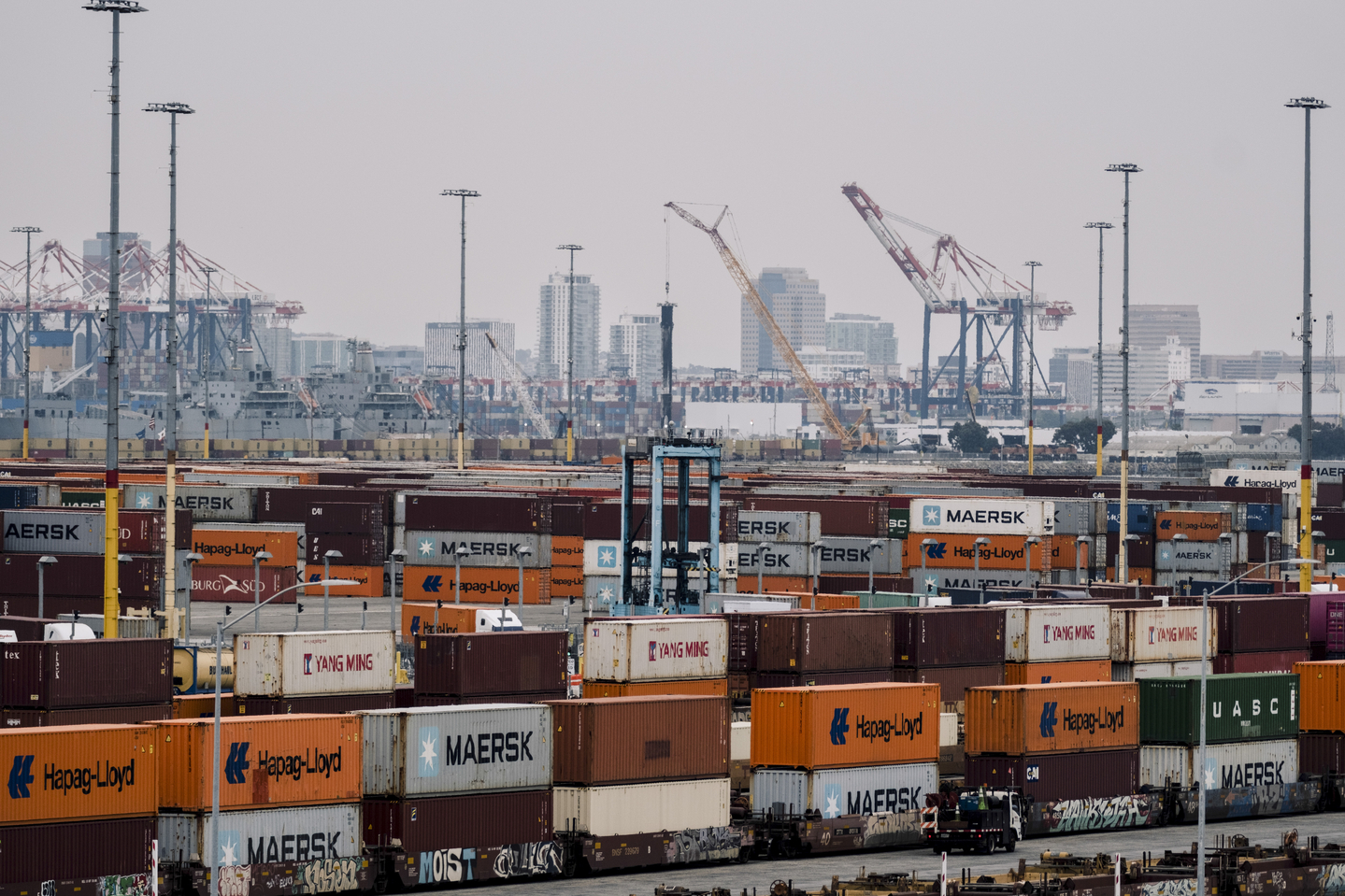
Shipping containers at the Port of Los Angeles, May 29, 2025. The Supreme Court on Tuesday, Sept. 9, 2025, agreed to fast-track review of the Trump administration’s sweeping tariffs, accepting a case that will test the limits of executive power and the president’s signature economic initiative. (Mark Abramson/The New York Times)
Supreme Court Agrees to Review Trump’s Sprawling Tariffs
WASHINGTON — The Supreme Court on Tuesday agreed to a fast-track review of the Trump administration’s sweeping tariffs, accepting a case that will test the limits of executive power and the president’s signature economic initiative.
The court set a brisk briefing schedule and said it would hear arguments in early November.
A federal appeals court last month invalidated many of President Donald Trump’s punishing global tariffs, saying the law he relied on did not authorize the administration’s program. The import taxes remain in effect while the litigation continues.
In a 7-4 ruling in late August, the U.S. Court of Appeals for the Federal Circuit said the president had unlawfully used the International Emergency Economic Powers Act to impose steep taxes on major U.S. trading partners.
Last week, Trump’s lawyers urged the justices to review the ruling quickly by adding the case to the court’s calendar for the new term that begins in October. They issued a stark warning against allowing the appeals court ruling to stand, saying it threatens to unwind trade deals.
“That decision casts a pall of uncertainty upon ongoing foreign negotiations that the president has been pursuing through tariffs over the past five months, jeopardizing both already negotiated framework deals and ongoing negotiations,” according to the filing from Solicitor General D. John Sauer.
While the Supreme Court’s conservative majority has repeatedly granted Trump’s emergency requests and cleared the way for the administration to at least temporarily put into place its policies, the tariffs case will be the first occasion for the justices to hear arguments and weigh the underlying legal merits of a key administration priority.
Five small businesses and a dozen states sued over the tariffs, saying Trump’s actions were unlawful and that the powers to tax must remain with Congress. Their position has support from a coalition of prominent conservative and libertarian lawyers, scholars and former officials.
The Constitution generally gives Congress the power to tax. But a 1977 statute gives the president broad emergency powers to “deal with any unusual and extraordinary threat” to “the national security, foreign policy or economy of the United States.” That includes the power to regulate imports. The president’s lawyers say that language affords him the authority to impose tariffs when he believes an emergency exists.
But the appeals court said the emergency law does not give Trump the authority to impose his sprawling tariffs program.
This article originally appeared in The New York Times.
c.2025 The New York Times Company
https://www.nytimes.com/2025/09/09/us/politics/trump-tariffs-supreme-court.html
미 대법원, 트럼프 행정부 ‘광범위 관세’ 심리하기로
미국 대법원이 트럼프 행정부의 대규모 관세 정책에 대한 신속 심리를 진행하기로 화요일( 9월 9일) 결정했다. 행정부 권한의 한계와 트럼프 대통령의 대표적 경제 정책을 둘러싼 법적 공방을 가를 시험대가 될 전망이다.
대법원은 빠듯한 변론 일정표를 확정하고 오는 11월 초 구두 변론을 열기로 했다.
지난달 연방순회항소법원은 트럼프 대통령이 부과한 다수의 징벌적 글로벌 관세를 무효화하면서 트럼프 대통령이 근거로 삼은 법률이 행정부의 관세 프로그램을 승인하지 않았다고 판결했다. 다만 소송이 진행되는 동안 관세 부과는 유지된다.
항소법원은 지난 8월 말 7대 4 판결에서 대통령이 국제비상경제권법을 근거로 주요 교역국에 고율의 관세를 부과한 것은 위법이라고 판단했다.
트럼프 측 변호인단은 지난주 대법원에 이번 판결을 신속히 검토해 달라며 10월 새 회기 일정에 사건을 추가해 달라고 요청했다. 변호인단은 항소심 판결이 유지될 경우 이미 체결된 무역 합의와 진행 중인 협상이 흔들릴 수 있다고 경고했다.
연방정부 측 대법원 소송대리인인 법무부의 D. 존 소어의 법원 제출 문건은 “이번 판결은 지난 5개월 동안 대통령이 관세를 통해 추진해 온 외교 협상 전반에 불확실성을 드리우며, 이미 합의된 틀과 현재 진행 중인 협상을 모두 위태롭게 하고 있다”고 밝혔다.
대법원의 보수 성향 다수는 그간 트럼프 행정부의 긴급 요청을 여러 차례 받아들여 정책을 일시적으로 시행할 수 있도록 허용해 왔다. 그러나 이번 관세 소송은 대법관들이 처음으로 변론을 직접 청취하고 행정부 핵심 정책의 법적 정당성을 본격적으로 따지는 자리가 된다.
소규모 기업 5곳과 12개 주는 트럼프의 관세가 위법하다며 소송을 제기했다. 세금 부과 권한은 의회에 남아 있어야 한다는 주장이다. 이들의 입장은 보수·자유주의 법률가, 학자, 전직 관리로 구성된 연합으로부터도 지지를 받고 있다.
헌법은 일반적으로 과세권을 의회에 부여하고 있다. 그러나 1977년 제정된 국제비상경제권법은 대통령에게 “미국의 국가안보, 외교, 경제에 대한 이례적이고 상당한 위협”에 대응할 수 있는 광범위한 권한을 부여하며 여기에는 수입 규제 권한도 포함된다. 트럼프 측은 이 조항이 대통령이 비상사태를 인식할 경우 관세를 부과할 수 있는 권한을 준다고 주장한다.
하지만 항소법원은 이 법이 트럼프 대통령에게 광범위한 관세 프로그램을 시행할 권한까지 주지는 않는다고 판시했다.
WRITTEN BY ANN E. MARIMOW, ADAM LIPTAK AND TRANSLATED BY CHUN YOUNG-SUN [[email protected]]


with the Korea JoongAng Daily
To write comments, please log in to one of the accounts.
Standards Board Policy (0/250자)