

Malbec, beef and kimchi: Argentina's top envoy to Korea uses food and culture to bridge the geographic gap
-
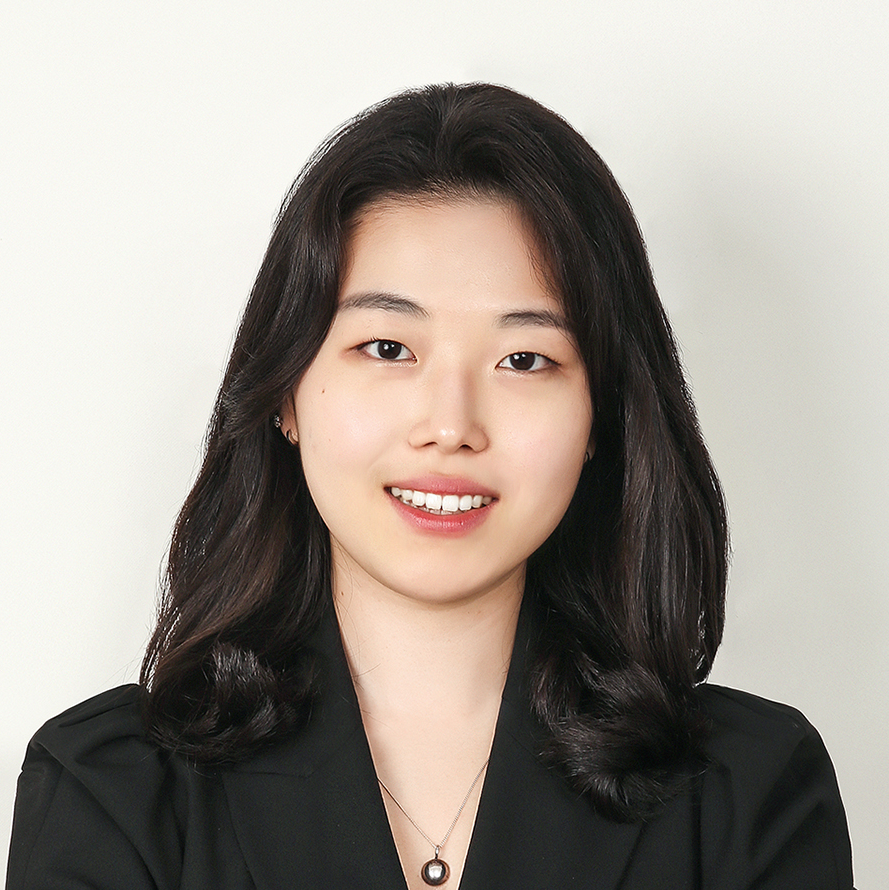
- SEO JI-EUN
- [email protected]
![Argentina's Ambassador to Korea Dario Celaya speaks during an interview with the Korea JoongAng Daily on July 8 at Spatula By Haevichi in Gangnam District, southern Seoul, where the restaurant temporarily featured Argentine cuisine. The embassy hosted a separate event there to celebrate Malbec World Day in April. [PARK SANG-MOON]](https://koreaseafood.online/data/photo/2025/08/11/3cfb0963-63d9-4bf6-b00c-39420e4b8baf.jpg)
Argentina's Ambassador to Korea Dario Celaya speaks during an interview with the Korea JoongAng Daily on July 8 at Spatula By Haevichi in Gangnam District, southern Seoul, where the restaurant temporarily featured Argentine cuisine. The embassy hosted a separate event there to celebrate Malbec World Day in April. [PARK SANG-MOON]
[AMBASSADOR'S TABLE]
Seoul’s ambassadors are often gastronomes keen to share a taste of their home cuisine. In this series, the Korea JoongAng Daily asks the diplomatic corps to introduce our readers to their favorite restaurants representing cuisine from their homelands, while chatting about issues of interest to our Korean and global audience. – Ed.
Despite Seoul and Buenos Aires being halfway across the globe from each other — among the most distant capital city pairs in the world — Argentina's top envoy in Korea is leveraging language, food and personal experience to narrow the geographic and cultural gap.
Argentine Ambassador to Korea Dario Celaya is not only his country’s top diplomat, but also a dedicated student of Korean culture. Celaya bowed and offered greetings in Korean before and after a recent interview with the Korea JoongAng Daily — small gestures that reflect a genuine commitment to cultural understanding.
“I started studying Korean in Buenos Aires before my posting […] and I did a one-year [diploma] course in Korean Studies — history, economy, society, religions, culture as a whole,” Celaya said. “One of the reasons is communication, but also to understand more and appreciate the differences within the world.”
One vivid example of the deepening ties, he said, is how Korean culture has permeated Argentine society.
“We celebrate National Kimchi Day in Argentina on Nov. 22,” he said, becoming the first country outside Korea to mark the day at a national level. He pointed out how the Korean dish is increasingly served as a side with Argentina's iconic grilled beef, or parrillada, at local restaurants — a sign that Korean flavors are becoming part of the country’s diverse culinary identity shaped by generations of immigration.
Although Argentina may be unfamiliar territory for Korean businesses and is seen as volatile by foreign investors due to its history of currency fluctuations, Celaya pushed back on such perceptions, arguing that the current exchange system is far more stable and predictable than many assume.
“We have only one currency,” he said, referring to the Javier Milei administration’s move to unify multiple exchange rates into a single official floating rate for all foreign trade.
Because the peso now fluctuates only modestly within the band, he explained, “[the rate] varies only a little from Monday to Friday,” making planning for imports and exports much more predictable.
He added that this stability, combined with ongoing reforms to reduce the fiscal deficit, cut taxes and deregulate the economy, creates a more investor-friendly environment for long-term engagement.
Below are edited excerpts from the interview, his first with a Korean media outlet, edited for length and clarity.
![Argentina's Ambassador to Korea Dario Celaya speaks during an interview with the Korea JoongAng Daily on July 8 at Spatula By Haevichi in Gangnam District, southern Seoul. [PARK SANG-MOON]](https://koreaseafood.online/data/photo/2025/08/11/2af79b64-eba5-4805-ab54-07ecb1f21236.jpg)
Argentina's Ambassador to Korea Dario Celaya speaks during an interview with the Korea JoongAng Daily on July 8 at Spatula By Haevichi in Gangnam District, southern Seoul. [PARK SANG-MOON]
Another key element is the strong influence of immigration from Europe and the Middle East. Traditional Argentinian cuisine is called cocina criolla, which means "cooking made by the inhabitants of Argentina."
The Spaniards brought beef consumption; Italy brought pasta in many forms; France contributed breads, pastries and desserts; and Middle Eastern immigrants introduced exotic spices. In recent decades, Asian communities, including Korean, Japanese and Chinese, have added their own flavors to the mix.
Initially, many worked in the textile industry, but now you’ll find second- and third-generation Korean Argentines in all sectors: law, real estate, architecture even politics. I believe it wouldn’t be strange to see a Korean-Argentine lawmaker in Congress within the next 10 years.
The Senate declared Nov. 22 as National Kimchi Day, the only country in the world to do so after Korea, citing "the cultural and social contribution of Korean immigrants." Kimchi is served alongside grilled meat in some Argentine barbecue restaurants.
![Asado de tira served at Spatula by Haevichi [PARK SANG-MOON]](https://koreaseafood.online/data/photo/2025/08/11/a8cf1a51-690a-4a11-85d7-b4e3f25fe5bb.jpg)
Asado de tira served at Spatula by Haevichi [PARK SANG-MOON]
![Empanada served at Spatula by Haevichi [PARK SANG-MOON]](https://koreaseafood.online/data/photo/2025/08/11/e2f46ddc-c840-4e15-9376-13084c8d30da.jpg)
Empanada served at Spatula by Haevichi [PARK SANG-MOON]
Empanada is a pastry made from wheat flour and filled with ground beef — sometimes vegetables or other fillings. In different provinces and regions, you have different varieties. Asado is roasted beef. You need two key things: a good grill fire and good meat to roast.
In our daily life, we also have milanesa. It is a thin slice of beef, coated with egg and breadcrumbs, then fried — or baked for a healthier version. We never use pork, only good-quality beef. During the week, it’s very common to gather with friends and eat milanesa together.
![Argentinian President Javier Milei brandishes a chainsaw during a campaign event in La Plata, Argentina, on Sept. 12, 2023. Milei has used the chainsaw throughout his campaign to symbolize how he will slash government spending and waste. [AP/YONHAP] 금지.〉](https://koreaseafood.online/data/photo/2025/08/11/05cf756f-aa86-4532-acee-0dc83f544246.jpg)
Argentinian President Javier Milei brandishes a chainsaw during a campaign event in La Plata, Argentina, on Sept. 12, 2023. Milei has used the chainsaw throughout his campaign to symbolize how he will slash government spending and waste. [AP/YONHAP] 금지.〉
Because with a very high tax burden, you are preventing the private sector from growing. So you have to lower the tax burden to allow the private sector to grow, to create companies, to hire people. Deregulating the economy is a key aspect to enable that.
Reducing the fiscal deficit is another key aspect, as was simplifying the exchange system, because Argentina had multiple exchange rates. It is not the case anymore. We're also fighting inflation, which was 25 percent per month in December, and now it is in the single digits.
![Argentinian pesos [AFP/YONHAP]](https://koreaseafood.online/data/photo/2025/08/11/0ee93d75-71a3-49aa-a3df-0e12aa85e891.jpg)
Argentinian pesos [AFP/YONHAP]
![Argentina's Ambassador to Korea Dario Celaya, right, speaks during an interview with the Korea JoongAng Daily on July 8 at Spatula By Haevichi in Gangnam District, southern Seoul. [PARK SANG-MOON]](https://koreaseafood.online/data/photo/2025/08/11/e9d70f1e-7085-45c8-8b31-e9a62e317047.jpg)
Argentina's Ambassador to Korea Dario Celaya, right, speaks during an interview with the Korea JoongAng Daily on July 8 at Spatula By Haevichi in Gangnam District, southern Seoul. [PARK SANG-MOON]
BY SEO JI-EUN [[email protected]]


with the Korea JoongAng Daily
To write comments, please log in to one of the accounts.
Standards Board Policy (0/250자)