

From meatballs to meeting North Koreans, Sweden's ambassador took unique path to Seoul
-
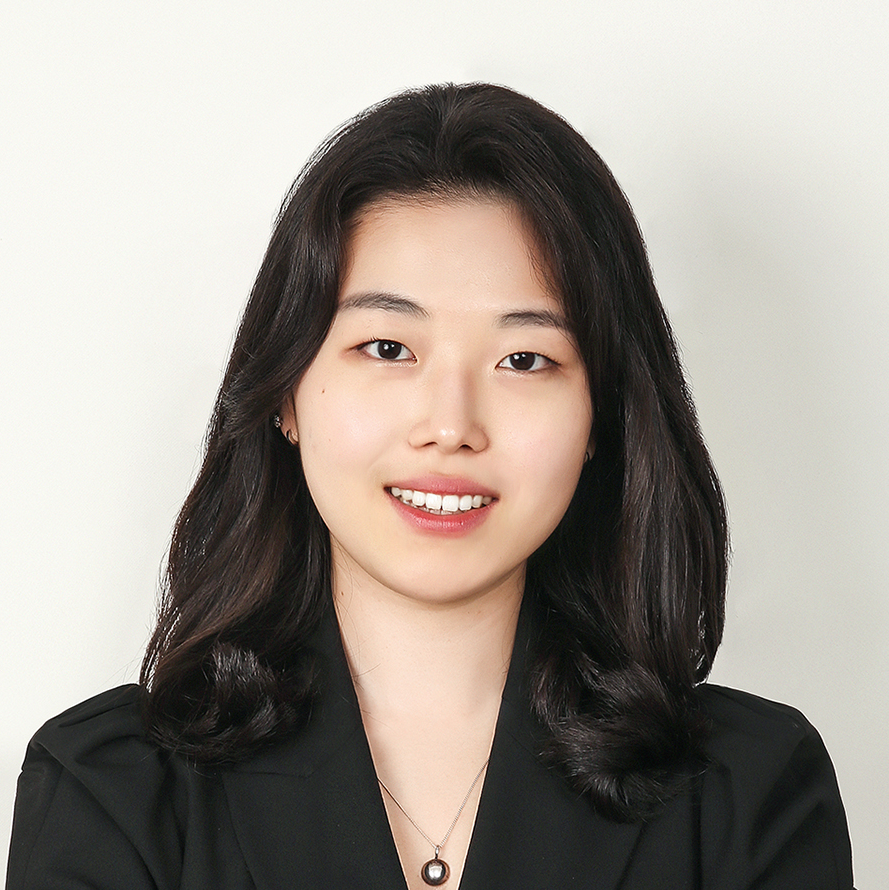
- SEO JI-EUN
- [email protected]
![Swedish Ambassador to Seoul Karl-Olof Andersson speaks about his favorite dishes and bilateral ties between Korea and Sweden at Mangata, a Scandinavian restaurant in Jongno District, central Seoul, in an interview with the Korea JoongAng Daily on July 3. [WOO SANG-JO]](https://koreaseafood.online/data/photo/2025/07/14/de844e6e-265c-4c77-a311-6b0fd2f9980f.jpg)
Swedish Ambassador to Seoul Karl-Olof Andersson speaks about his favorite dishes and bilateral ties between Korea and Sweden at Mangata, a Scandinavian restaurant in Jongno District, central Seoul, in an interview with the Korea JoongAng Daily on July 3. [WOO SANG-JO]
[AMBASSADOR'S TABLE]
Seoul’s ambassadors are often gastronomes keen to share a taste of their home cuisine. In this series, the Korea JoongAng Daily asks the diplomatic corps to introduce our readers to their favorite restaurants representing cuisine from their homelands, while chatting about issues of interest to our Korean and global audience. – Ed.
Karl-Olof Andersson, Sweden’s ambassador to Seoul, holds a diplomatic distinction few can claim: having served as top diplomat to both Koreas.
Andersson, who served as Sweden’s envoy in Pyongyang from 2012 to 2014 and took up his post in Seoul in October 2024, is one of only four diplomats worldwide to have been ambassador in both North and South Korea — along with Britain’s Colin Crooks, Russia’s Alexander Timonin and Hungary's Miklos Lengyel.
Drawing from his rare diplomatic experience in North Korea, Andersson recalled the role Sweden played as a "protecting power" in helping U.S. citizens detained in the country, including those facing criminal charges, safely return home.
“Helping those people — that’s one of the most rewarding things I’ve done,” he said in an interview with the Korea JoongAng Daily on July 3 at a Scandinavian restaurant in central Seoul. “You can actually make a difference as a diplomat.”
It was a delicate process involving cooperation between the Swedish Embassy, the North Korean Foreign Ministry and often third parties such as China or the United States. He noted that such efforts demanded careful coordination, discretion and trust-building on all sides — and ultimately delivered life-changing outcomes.
Andersson lit up when talking about food, particularly Swedish meatballs — famously served at Ikea stores worldwide — the dish most closely associated with his country and which "every Swede can relate to."
But Swedish cuisine, he emphasized, offers much more — from fresh seafood like salmon and mussels to crayfish parties — as well as the famously pungent surströmming (sour herring), which he compared to Korea’s hongeo (fermented skate) with a diplomat’s grin: “This is much worse.”
The following are edited excerpts of the interview.
![Swedish Ambassador to Seoul Karl-Olof Andersson speaks during an interview with the Korea JoongAng Daily on July 3. [WOO SANG-JO]](https://koreaseafood.online/data/photo/2025/07/14/31e64e41-703f-4c1b-b06c-782d949440a1.jpg)
Swedish Ambassador to Seoul Karl-Olof Andersson speaks during an interview with the Korea JoongAng Daily on July 3. [WOO SANG-JO]
There were a number of Americans I had to help. One person lost his passport in a far-off city — I had to get him to Pyongyang, figure out how to get an emergency passport, talk to the U.S. embassy in Beijing and have someone fly in with the document. It was very complicated.
Some cases were more serious — people accused of criminal acts, often religious-related. We had to ask for access, make sure they were treated well and figure out how to get them out of custody. That was a really difficult part, but we managed. Three or four cases in three years. Luckily, we helped all the Americans who were there during my time.
Helping those people — that’s one of the most rewarding things I’ve done. You can actually make a difference as a diplomat. Some wrote thank-you letters afterward. When you go into an environment like North Korea, you don’t know how you’ll react. But I felt: I can handle this. And if I can handle this, I can handle many things.
To see how happy they were and to get the feeling of their hardship and struggle, but also to see that I could connect with them. It’s very rare that you can connect — they’re very careful in engaging foreigners. That feeling for the real Koreans, their lives — that’s probably the strongest emotional experience that I carry with me still.
![The Swedish flag is raised outside of the NATO headquarters in Brussels, Belgium, during a ceremony on March 11, 2024. Sweden left behind 200 years of military neutrality with the historic move to join NATO. [YONHAP]](https://koreaseafood.online/data/photo/2025/07/14/004288eb-fb92-4ae7-974d-9174d82c2a33.jpg)
The Swedish flag is raised outside of the NATO headquarters in Brussels, Belgium, during a ceremony on March 11, 2024. Sweden left behind 200 years of military neutrality with the historic move to join NATO. [YONHAP]
Our defense budget is growing rapidly — from the equivalent of 2.4 percent of GDP up to 3.5 or even 5 percent. That includes civil defense, too, but it’s still a dramatic change.
I think South Korea may face similar demands. Maybe we can find ways to join forces and help each other develop.
One element of Swedish society is that it’s a high-tax society. We pay high taxes for the benefits we get. But Swedes accept that because they trust the system — they know they’ll get good service.
We were lucky to have an inflow of people into Sweden, which helped keep the demographic balance. Our system has adapted — for example, we’ve reformed the pension system and raised the retirement age. It used to be 65, then 67, now 68, and it will be 69. The system adjusts as people live and work longer. That’s the challenge for Korea — to keep the pension system sustainable, especially with a shrinking younger generation.
Korea has experienced rapid economic growth, but now it's time for the social landscape to catch up. The path forward must be shaped in Korea's own way — and it's up to the country's policymakers to navigate that transition.
NATO gave us a new platform to cooperate from. But we already have many things in the security field we can enhance — defense industry, cybersecurity, supply chain resilience, climate security.
During the Cold War, Sweden had to show it could defend itself. That meant building up a strong defense industry — fighter jets, submarines, radar systems. Korea has that too. Defense is now a key part of our partnership.
We are focused on green and stable energy. SMRs will be important. Korea is strong in building plants, and we want to do this together.
Korea is one of the most interesting partners, especially in SMRs. You're advanced technologically. We want to build 2,500 megawatts by 2035 — the equivalent of 10 conventional reactors.
There will be opportunities. We’re impressed by Korean competitiveness. But everything depends on what you’re looking for and who can offer what.
![Anna Singer, a Swedish expert leading the country's investigation into its international adoption practices, speaks during an interview in Seoul, South Korea, March 21, 2023. [AP/YONHAP]](https://koreaseafood.online/data/photo/2025/07/14/1ebb349f-fc52-45b6-a483-dd11d0ef8541.jpg)
Anna Singer, a Swedish expert leading the country's investigation into its international adoption practices, speaks during an interview in Seoul, South Korea, March 21, 2023. [AP/YONHAP]
There’s a more critical view of adoption in general in Sweden. Right now, it’s focused on very particular instances. Maybe we have to let some time pass to reflect — are we going to stop adoptions totally, be more careful or what?
It’s an ongoing discussion in society: what do we think about adoption?
![Kottbuller (Swedish meatballs) served at Mangata [WOO SANG-JO]](https://koreaseafood.online/data/photo/2025/07/14/7dce0cf7-506f-48c7-a161-5b289992e7a9.jpg)
Kottbuller (Swedish meatballs) served at Mangata [WOO SANG-JO]
You eat the meatballs with traditional potatoes. It can be mashed or just boiled, and then you have a brown gravy — a cream sauce — and lingonberry, which is a little red berry.
We eat a lot of seafood. We like fish, salmon, mussels, oysters. We eat crayfish, too. In August, we have the crayfish party. You gather with friends, have a big stack of boiled crayfish, some salad, bread, good cheese. You peel the crayfish — it’s part of the fun — and have beer and snaps like vodka.
There’s also fermented fish called sour herring, popular in the north. You have to eat it outdoors because the smell is terrible. I’ve tried skate in Mokpo, but this is much worse. But some people love it — with special bread, potatoes, onion, sour cream.
We usually have fika midmorning around 10 o’clock, and mid-afternoon around 3.
![Swedish Ambassador to Seoul Karl-Olof Andersson poses for a photo during an interview with the Korea JoongAng Daily on July 3. [WOO SANG-JO]](https://koreaseafood.online/data/photo/2025/07/14/cdb78c6e-0e73-4f8d-af2a-93b47f3a585c.jpg)
Swedish Ambassador to Seoul Karl-Olof Andersson poses for a photo during an interview with the Korea JoongAng Daily on July 3. [WOO SANG-JO]
BY SEO JI-EUN [[email protected]]


with the Korea JoongAng Daily
To write comments, please log in to one of the accounts.
Standards Board Policy (0/250자)