

Korea: Paving a path to collaborative AI sovereignty
Published: 21 Jul. 2025, 00:03
Updated: 21 Jul. 2025, 11:43
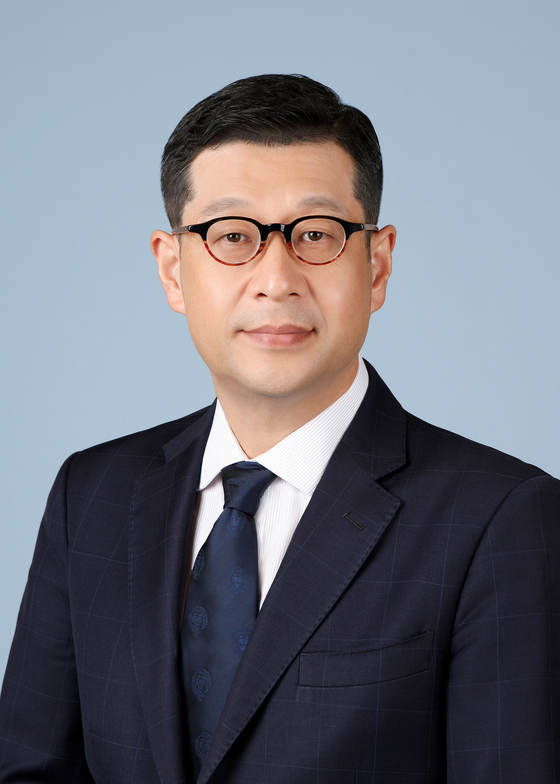
Son Do-il
The author is a managing partner at the Yulchon LLC
As the world races into the age of artificial intelligence, a new term is gaining geopolitical weight: sovereign AI. It may sound like the latest tech buzzword, but make no mistake — this concept, which centers on national control of AI systems, data and infrastructure, is reshaping global trade, diplomacy and digital strategy. For Korea, a nation known for its digital power and diplomatic finesse, sovereign AI is more than a policy direction — it’s a strategic opportunity.
At its core, sovereign AI is about enabling countries to develop, manage and govern their AI systems within their own legal, cultural and ethical frameworks. This includes foundational models, cloud infrastructure, data and talent. The drivers are clear. These include data protection, national security, linguistic and cultural alignment and, increasingly, digital independence in a fragmented geopolitical landscape. Koreans certainly don’t want to be dependent on foreign AI, but that doesn’t mean they long for the isolationist policies of the 19th century either.
![This illustration shows screens displaying the logo of DeepSeek, a Chinese AI company that develops open-source large language models, and the logo of OpenAI's ChatGPT on Jan. 29. [AP/YONHAP]](https://koreaseafood.online/data/photo/2025/07/21/9afbe5ba-b1d3-4c9d-a2f2-bfc69c1161fa.jpg)
This illustration shows screens displaying the logo of DeepSeek, a Chinese AI company that develops open-source large language models, and the logo of OpenAI's ChatGPT on Jan. 29. [AP/YONHAP]
Korea is not sitting on the sidelines. The government’s “Korean AI” strategy aims to elevate the country into the world’s top three AI powerhouses by 2027. This is not just a technological sprint — it’s a nation-building marathon. Recognizing the limits of English-trained AI models, Korea is investing heavily in Korean-language datasets, AI research centers and next-gen semiconductors to create a truly sovereign AI ecosystem.
While the goals of sovereign AI are commendable, they don’t come without complications—especially for countries like Korea, which thrive on open markets and global supply chains. The pursuit of digital self-sufficiency risks disrupting the very international flows that have fueled Korea’s economic success.
The rise of digital protectionism is becoming more apparent. Data localization laws and preferences for domestic AI providers could pose friction for global technology service models. In Korea, specific sectors, such as health care and finance, are already subject to localization requirements. Others remain relatively open, which marks a key distinction from the Chinese model.
Global supply chains are being reshaped. As more countries build their national AI infrastructure, global demand for semiconductors, cloud services, and storage hardware will surge. Korea, as a leading semiconductor producer, stands to benefit but must prepare for supply chain fragmentation and geopolitical chokepoints.
AI regulation is growing increasingly complex. With each country developing its own rules for AI fairness, transparency and accountability, companies must navigate a growing patchwork of standards. For Korean firms, this means higher compliance burdens and greater legal complexity.
Geopolitical tensions are deepening, and the digital divide is widening. The United States and China are drawing firm lines in the AI sand, from export controls to security reviews. Korea must tread carefully, maintaining strategic neutrality. Meanwhile, less affluent countries risk falling further behind in AI, exacerbating the digital divide.
Korea is not just a participant in the sovereign AI movement; it is positioned to help lead it. With strengths in AI regulation, semiconductors and digital diplomacy, Korea can shape a global AI order that balances sovereignty with openness.
Korea can play a central role in establishing global standards. It can take an active role in Organisation for Economic Cooperation and Development, World Trade Organization and International Organization for Standardization discussions to promote interoperable and ethical AI governance. Its “Korean AI” vision — human-centered and privacy-conscious — provides a meaningful template.
Korea must broaden its network of AI partnerships. Building alliances across diverse regions and avoiding overreliance on any single power bloc will strengthen Korea’s position and model collaborative AI sovereignty.
Korea can set an example in ethical AI regulation. As the first country in Asia to propose comprehensive AI legislation, Korea can guide the global conversation on responsible AI. If K-dramas can achieve worldwide appeal, there’s no reason Korean values of fairness and transparency can’t do the same for AI.
![From left: Naver founder Lee Hae-jin, Nvidia CEO Jensen Huang and Naver CEO Choi Soo-yeon meet at Nvidia's headquarters June, 2024 to discuss the concept of “sovereign AI,” or country-specific artificial intelligence, in this photo uploaded to Naver's Instagram. [SCREEN CAPTURE]](https://koreaseafood.online/data/photo/2025/07/21/cbb94350-ecde-41bb-a0e3-e5c04354b5e0.jpg)
From left: Naver founder Lee Hae-jin, Nvidia CEO Jensen Huang and Naver CEO Choi Soo-yeon meet at Nvidia's headquarters June, 2024 to discuss the concept of “sovereign AI,” or country-specific artificial intelligence, in this photo uploaded to Naver's Instagram. [SCREEN CAPTURE]
Korea has the potential to serve as a hardware hub for sovereign AI. It can supply the semiconductors, infrastructure and services that empower other nations to pursue responsible, localized AI strategies.
Sovereign AI is more than a trend — it’s a turning point in global technology, trade and diplomacy. For Korea, the challenge isn’t whether to adapt, but how to lead. By blending national sovereignty with international cooperation, tradition with innovation, Korea can shape a digital future that is open, inclusive and fair.


with the Korea JoongAng Daily
To write comments, please log in to one of the accounts.
Standards Board Policy (0/250자)