The government will cover additional shipping costs crude importers have to bear when bringing in alternative supplies from regions other than the Middle East, the Ministry of Trade, Industry and Resources said Wednesday.
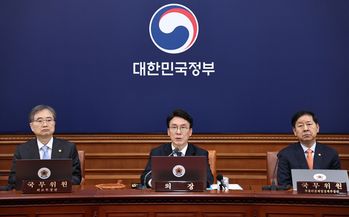
Korea has secured 273 million barrels of crude oil by the end of this year from four Middle Eastern nations, presidential chief of staff Kang Hoon-sik said on Wednesday.
Korea will attend a multilateral meeting this week on joint efforts to stabilize the Strait of Hormuz, including ways to ensure free and safe passage through the waterway in the event of an end to the Iran war, officials said Tuesday.
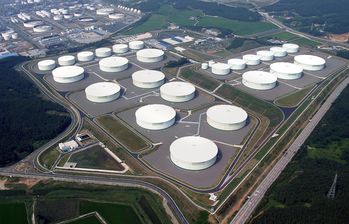
Korea is moving to expand its strategic oil storage capacity as prolonged disruptions around the Strait of Hormuz are prompting a surge of inquiries from oil-exporting nations seeking to use Korea’s storage facilities.
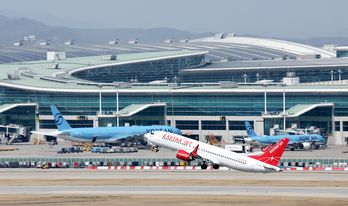
An aircraft takes off from Incheon International Airport on April 13 ahead of the announcement regarding international fuel surcharges.
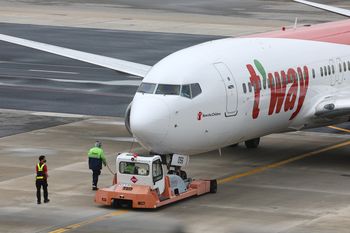
Budget carrier T'way Air will begin implementing voluntary unpaid leave for two months for its cabin crew from May as the rise in fuel costs and the depreciation of the won due to the Iran war continue to roil the Korean airline industry.
The uncertain future of the Iran war is pushing oil prices up and keeping people indoors at home and away from their cars, even with the nicer, sunnier spring weather.
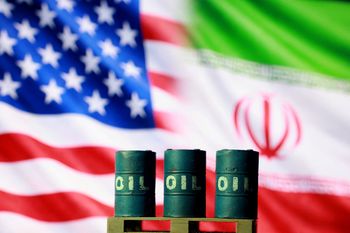
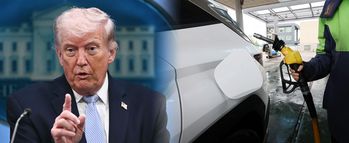
While U.S. President Donald Trump touts American crude as an alternative for allies facing Iran-linked supply disruptions, the idea can sound fanciful — nowhere more so than in Korea.
The government will provide cash support to 70 percent of the population to offset the impact of rising living costs linked to the Middle East conflict. A range of 100,000 won and up to 600,000 won ($68 up to $405) will be provided per person.
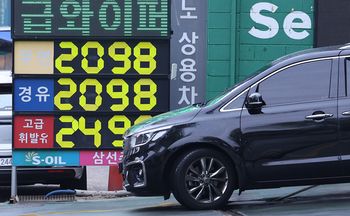
Korea has opted to freeze its third-round fuel price caps, citing volatility stemming from the cease-fire, as domestic prices for petroleum products, including diesel, continue their uphill march.
Korea JoongAng Daily Sitemap