Korea has secured 273 million barrels of crude oil by the end of this year from four Middle Eastern nations, presidential chief of staff Kang Hoon-sik said on Wednesday.
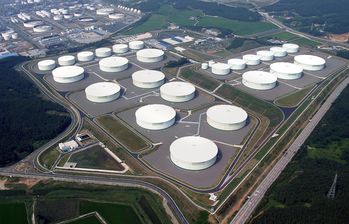
Korea is moving to expand its strategic oil storage capacity as prolonged disruptions around the Strait of Hormuz are prompting a surge of inquiries from oil-exporting nations seeking to use Korea’s storage facilities.
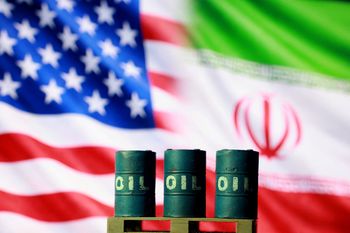
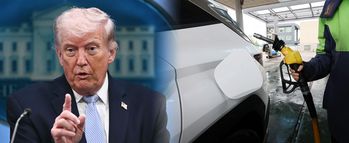
While U.S. President Donald Trump touts American crude as an alternative for allies facing Iran-linked supply disruptions, the idea can sound fanciful — nowhere more so than in Korea.
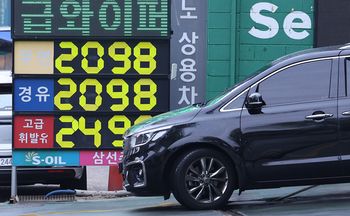
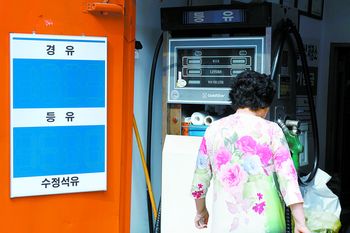
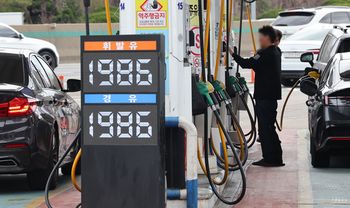
Korea has opted to freeze its third-round fuel price caps, citing volatility stemming from the cease-fire, as domestic prices for petroleum products, including diesel, continue their uphill march.
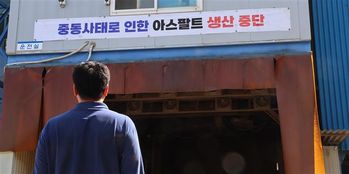
A worker stands outside a concrete plant in Seo District, Incheon, on April 8.
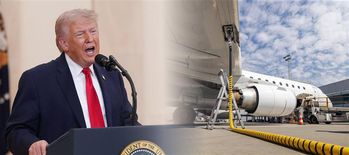
Korea has virtually suspended its jet fuel exports amid crude oil shortages, a move set to hit the United States — which relies on Korean fuel for roughly 80 percent of its supply — the hardest.
Korean oil refiners have begun importing sizable volumes of Canadian crude — long a marginal and rarely used option — as they scramble to replace disrupted Middle Eastern supplies amid the protracted Iran war.
Korea will elevate its resource security status for crude oil to “alert” starting 12 a.m. Thursday — the third-highest level in the country's four-tier system — as the war in the Middle East continues to strain global supply channels.
Korea is moving to release 20 million barrels of Middle Eastern crude from its strategic reserves and distribute them to local refiners under a swap arrangement that is expected to help sustain supply through the end of June.
U.S. crude futures rose more than $2 in early Asia trade on Tuesday as the Middle East conflict deepened, raising supply concerns, while U.S. President Donald Trump warned Iran over its continued blockage of the Strait of Hormuz.
Korea JoongAng Daily Sitemap