Samsung Electronics and SK hynix eye $139 billion combined Q3 profit on AI chips
As AI chip demand, sixth generation of high bandwidth memory supplies and rising dynamic random-access memory prices boost earnings, Samsung Electronics and SK hynix are expected to report a combined 184.4 trillion won ($139.1 billion) in third quarter operating profit.
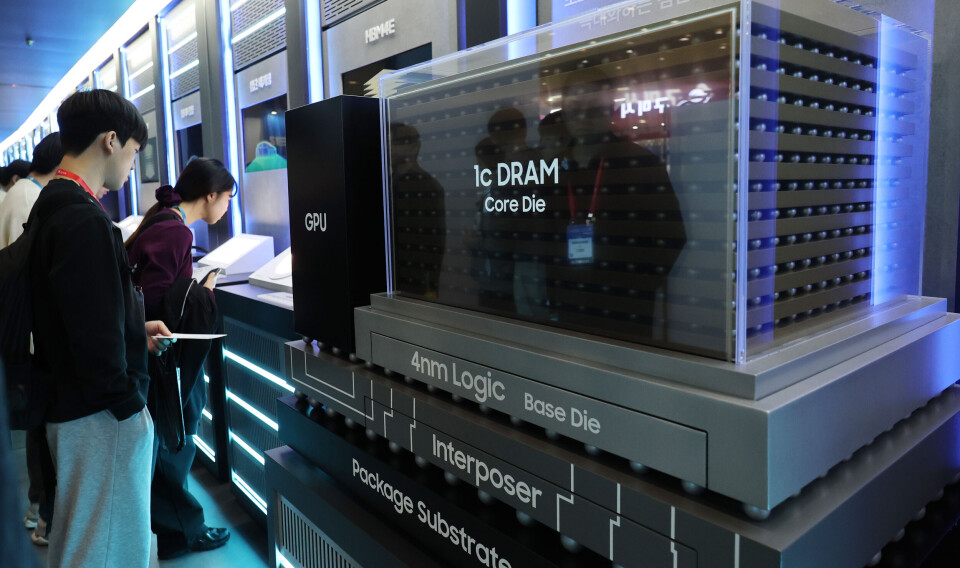
A model of HBM4E, Samsung Electronics' seventh-generation high bandwidth memory chip, is displayed at the company's booth during SEDEX 2026, the 28th Semiconductor Exhibition, at Coex in Gangnam District, southern Seoul, on Oct. 14.NEWS1
Samsung Electronics and SK hynix are expected to post a combined 184.4 trillion won ($139.1 billion) in third-quarter operating profit, as rising AI chip demand and memory prices put both companies on course for some of their strongest results ever.
The two chipmakers are scheduled to release their full third-quarter results this week, with SK hynix reporting Wednesday and Samsung Electronics Thursday, semiconductor industry sources said Sunday.
Samsung Electronics reported preliminary third-quarter revenue of 195 trillion won and operating profit of 107.4 trillion won. Analysts surveyed by market tracker FnGuide expect SK hynix to post revenue of 98.2 trillion won and operating profit of 77 trillion won. Combined, the figures would put operating profit above 184 trillion won.
High-performance memory used for AI is central to the strong results. One key product is high bandwidth memory (HBM), which stacks multiple dynamic random-access memory (DRAM) chips vertically to move data at high speed. The chips are essential for AI computing.
Samsung Electronics and SK hynix are also expanding supplies of HBM4, the sixth generation of high bandwidth memory, for Nvidia's next-generation Vera Rubin AI accelerator.
Higher prices for conventional DRAM have also lifted earnings. Market researcher TrendForce projected that contract prices for general-purpose DRAM would rise 13 percent to 18 percent in the third quarter from the previous quarter. It expects prices to increase another 10 percent to 15 percent in the fourth quarter.
Nvidia CEO Jensen Huang introduces the Vera Rubin architecture during a keynote speech on the sidelines of the Computex trade show in Taipei, Taiwan, June 1.REUTERS/YONHAP
Prices have risen because chipmakers have concentrated production capacity on memory for AI, leaving relatively less conventional DRAM available for PCs and smartphones.
With expectations for AI growth already largely reflected in share prices, concerns are growing over whether global tech companies’ heavy spending on AI will generate profits. Semiconductor companies must also keep investing in factories and advanced manufacturing processes to meet rising demand.
Samsung Electronics faces pressure to reduce losses in its foundry business, which manufactures chips for other companies. Securities firms estimate the business lost about 1 trillion won in the third quarter. Heavy spending on new production facilities, including its plant in Taylor, Texas, adds to the strain.
SK hynix also needs to find funding for major investments. Its indirectly owned U.S. subsidiary Solidigm halted its review of an initial public offering (IPO) and pre-IPO fundraising on Friday, narrowing SK hynix's options for raising outside capital.
The SK hynix logo is seen on one of its products during a semiconductor exhibition in Seoul on Oct. 23, 2024.REUTERS/YONHAP
Because SK hynix still needs to invest in U.S. production facilities to meet demand for storage devices used in AI data centers, the chipmaker is exploring other ways to secure funds, including direct investment.
The companies' earnings announcements are expected to draw attention to their investment plans and profitability outlooks. How quickly HBM4 supplies expand and how memory prices move next year will be key factors.
"Chipmakers' earnings could continue to improve as AI investment expands and memory prices rise, but as the recent share price correction shows, market expectations have also risen considerably," Shin Jung-ho, head of research at LS Securities, said.
"With costs from large-scale capital investment rising, what will matter is not only revenue growth but also how much return companies earn on their investments and how much cash they can generate."
This article was originally written in Korean and translated by a bilingual reporter with the help of generative AI tools. It was then edited by a native English-speaking editor. All AI-assisted translations are reviewed and refined by our newsroom.