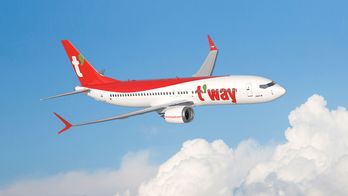
Korea’s low-cost carriers are turning to ramyeon, bibimbap and branded meals to stand out, as fare gaps narrow and price competition loses its edge.
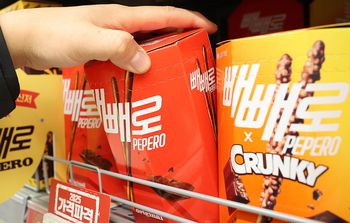
Sales and profits of major confectionery companies moved in opposite directions last year, underscoring the growing divide between firms dependent on overseas markets and those tied to weak domestic demand.
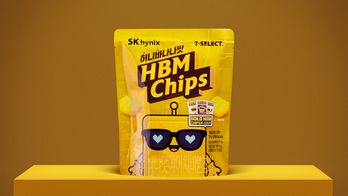
SK hynix is finding a new way to bring the public closer to its cutting-edge memory chips: a honey banana-flavored snack modeled after the company’s high bandwidth memory (HBM) technology.
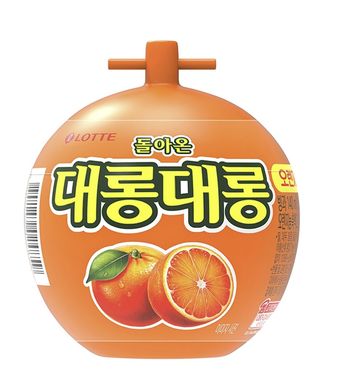
Driven by nostalgia and rising cost pressures, brands are reviving discontinued snacks and drinks. Industry experts say it’s part retro craze, part survival strategy in an uncertain economy.
From banana-flavored potato chips to minari-infused yogurt drinks, Korea’s snack and beverage makers are embracing bizarre and bold combinations to win over Gen Z and Alpha consumers hungry for novelty.
Rising ingredient costs, currency fluctuations and shrinking margins push food companies to raise prices — while trying not to alienate price-sensitive consumers.
Following the success of Netflix's 'Culinary Class Wars,' convenience stores in Korea see soaring sales of desserts and premade meals inspired by the show.
Major manufacturers like SPC Samlip and Lotte Wellfood are expanding their overseas markets and projecting substantial revenue increases.
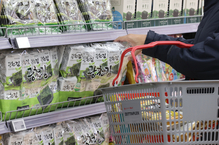
Over $670 million worth of gim was exported between January to October this year, an increase of 20.7 percent compared to the same period last year, according to the Korea Customs Service on Wednesday.
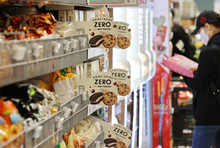
The Korean food safety agency decided to keep its current regulations regarding the use of aspartame, despite the World Health Organization's earlier classification of the artificial sweetener as a possible carcinogen.
Korea JoongAng Daily Sitemap