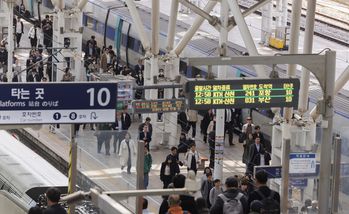
The number of passengers using Korea's railroad services reached a record high of more than 42 million in the first quarter of the year, partly driven by expanded train operations and rising oil prices that reduced private vehicle use.
Last year, the number of foreign passengers on the rail system topped 6 million for the first time, reflecting both a rebound in travel and a shift in how visitors move around the country.
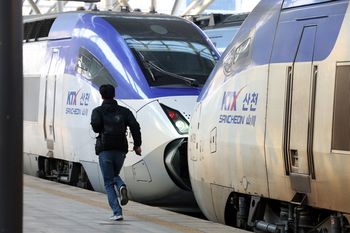
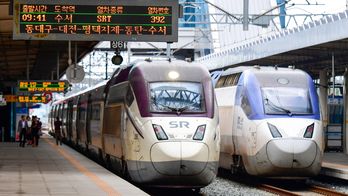
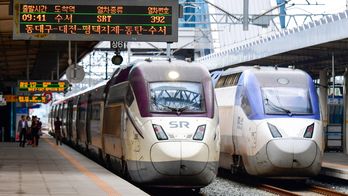
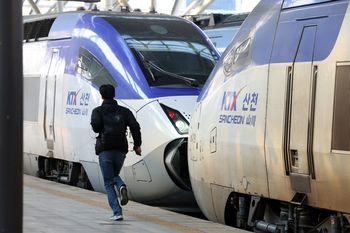
A pilot cross-operation between Korea’s two high-speed rail services began Wednesday ahead of a planned integration of KTX and SRT, with KTX trains operating into Suseo Station and SRT trains pulling into Seoul Station.
With 2026 marking the Year of the Red Horse, large crowds are expected at sunrise hot spots along Korea’s east coast.
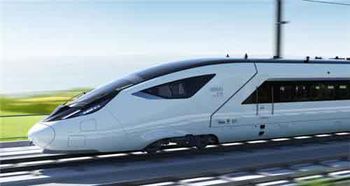
The Ministry of Land, Infrastructure and Transport announced on Dec. 22 that it has completed the core technology development for the next-generation high-speed train EMU-370, designed for commercial operation at 370 kph (229.9 mph).
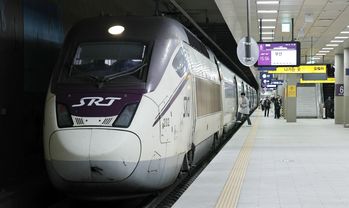
Travelers will be able to access KTX trains at Suseo Station and the Super Rapid Train (SRT) network at Seoul Station. The move acts as the first phase of the government's plans to merge Korea's divided high-speed rail networks by the end of 2026.
The government will integrate Korea’s two high-speed rail systems — KTX and SRT — by 2027, officials said Monday. The merger fulfills a presidential campaign pledge and reflects longstanding demands from the railway union.
Police will intensify crackdowns on people using macro programs to book train tickets ahead of the Chuseok holiday.
Starting in the second half of this year, train passengers in Korea who are disturbed by nearby travelers will be able to change their seats through the Korail Talk mobile app.
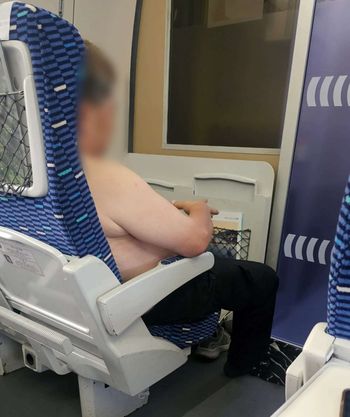
A passenger on the KTX was photographed without a shirt on Wednesday, with the uploader of the photo calling him "KTX Shirtless Villain" in a post that was met with virtually unanimous dissent for the rider's move.
Korea JoongAng Daily Sitemap