The Korean government may implement a five-day vehicle rationing system for private sector drivers if oil prices rise to $120-$130 per barrel, amid concerns over supply disruptions and rising fuel prices.
Korea will significantly expand its temporary fuel tax cut in a bid to ease the financial burden on consumers amid the prolonged conflict in the Middle East, the Ministry of Finance and Economy said on Thursday.
At a greenhouse on Jeju Island, ripe fruits hang heavy on the trees — but soaring fuel costs are casting a shadow over this year’s harvest. As the Iran war continues to push up oil prices, those in agriculture and fisheries are feeling the effects.
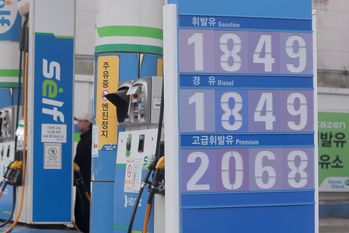
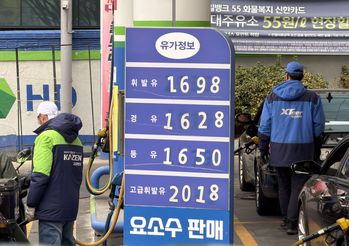
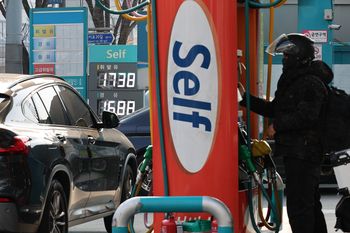
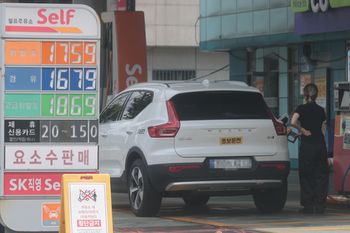
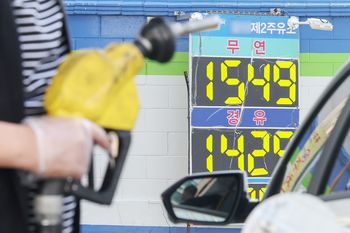
Fuel prices at gas stations have dropped significantly since the government introduced a temporary price cap system last week, the industry ministry said Monday, vowing continued efforts to ease energy supply woes due to the Middle East crisis.
Retail fuel prices in Korea rose in the third week of February, marking the first increase in 11 weeks. The upward trend in domestic fuel prices is expected to continue for the time being due to geopolitical tensions.
The government has expanded the country's oil reserves to 100 million barrels as part of efforts to boost its response capabilities to possible global oil supply disruptions, the Ministry of Trade, Industry and Resources said Monday.
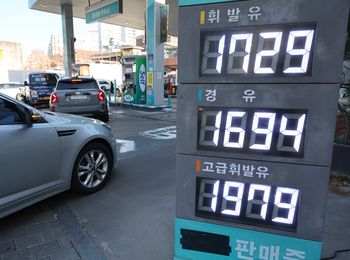
The weekly average price of gasoline and diesel at gas stations rose for the sixth straight week. The average gasoline price in the first week of December rose to 1,746.7 won per liter, up 1.7 won from a week earlier.
The weekly average prices of gasoline and diesel at domestic gas stations slightly increased this week, reversing the downward trend after just one week.
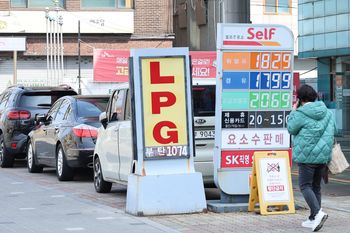
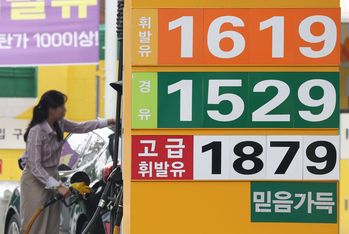
The average nationwide gasoline price at domestic gas stations rose to 1,639.8 won ($1.17) per liter between May 4 and 8, up 4.3 won from the previous week, ending its 13-week continuous decline.
The Ministry of Economy and Finance has said that it will extend the cut in fuel taxes through to the end of June, while partially scaling back the level of the reduction, which will result in a 40 won ($0.03) increase in gas prices starting May 1.
Korea JoongAng Daily Sitemap