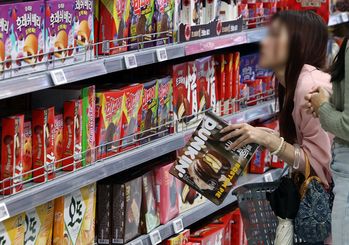
Korea's producer prices rose 0.4% in July, marking the second consecutive month of increase, driven by higher agricultural and livestock product prices, despite a decline in utility costs.
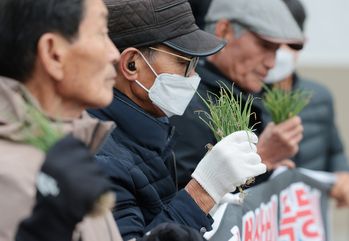
Onion and garlic farmers protested in Seoul, demanding government support.
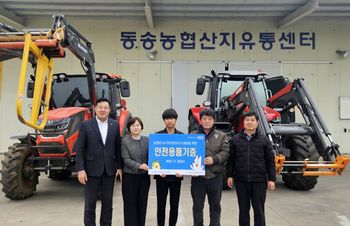
Nonghyup officials distributed accident prevention supplies to farmers in Gangwon as part of a campaign aimed at reducing agricultural accidents.
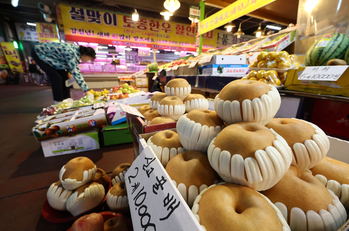
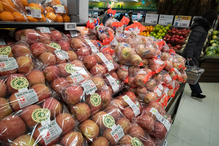
A prolonged heatwave has led to higher fruit prices this fall, with the Korea Rural Economic Institute warning of continued disruption in pear production due to conditions like sunburn.
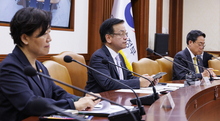
The government vowed to cut inflation by overhauling agricultural pricing. Plans include expanding online marketplaces and boosting labor force participation for women and younger generations.
Without changing the multi-layered intermediate stages, it is a distant dream to offer “quality produce at affordable prices.”
Domestic inflation grew at a slower pace in November but stayed above 3 percent for the fourth consecutive month amid high prices of farm goods and energy sources.
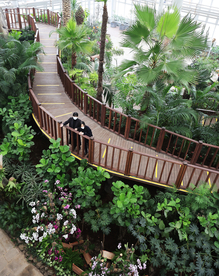
Employees look around the greenhouse of the new National Agricultural Museum of Korea in Suwon, Gyeonggi on Thursday, its opening day.
The Agricultural Goods Fund of Funds has invested in a wide range of food tech companies in Korea over the past 12 years, bringing together private and public money to promote promising businesses.
Korea JoongAng Daily Sitemap