Korean universities are actively forming partnerships with overseas institutions and local businesses to expand educational opportunities for international students, while also establishing part-time employment prospects.
International students are looking beyond the United States as the Donald Trump administration makes visa acquisition more difficult, even scrutinizing prospective students' social media activity.
A total of 31 universities nationwide had confirmed plans to increase tuition as of Thursday, while some 120 institutions were still reviewing potential hikes.
Korean universities have appealed to the Ministry of Education to acknowledge the financial difficulties that have led to tuition hikes and called for the relaxation of regulations, though the minister expressed skepticism about policy changes.
Nine national universities in Korea have decided to maintain tuition fees for undergraduates, including international undergraduates, for the 2025 academic year.
Korea's engineering universities excel in nuclear and technology advancements, with Unist and KAIST leading in patents and industry collaboration to support AI growth.
If we leave such problems unattended, they will explode like a time bomb.
Education must offer fairer opportunities so that it can ease broader socio-economic inequalities and strengthen national capabilities for sustainability and growth.
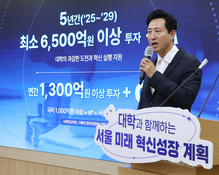
Seoul plans to invest at least 650 billion won ($470 million) into 54 universities in the city over five years to foster future talent and enhance its urban competitiveness.
Korea JoongAng Daily Sitemap