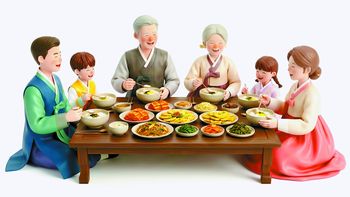
Seollal, or Lunar New Year, is a time for bonding with family, and also an occasion to indulge in tasty traditional dishes and delicacies.
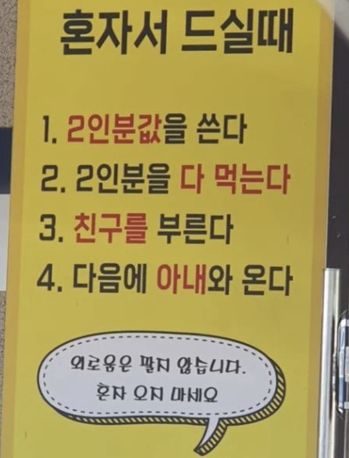
A restaurant’s notice rejecting solo diners under the slogan “We don’t sell loneliness” has stirred debate online, drawing criticism over what many saw as outdated views on eating alone.
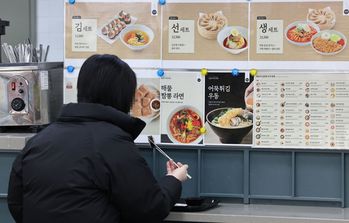
Solo dining is on the rise as single-person households and budget-conscious consumption increases, but the restaurant industry isn't moving at the same pace, with some establishments turning away diners seeking to eat alone.
A study links Western diets to rising colorectal cancer risks in Asia, emphasizing lifestyle changes for prevention.
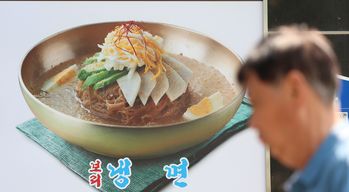
The cost of popular restaurant dishes in Seoul rose again in July, with naengmyeon (cold noodles) and samgyetang (chicken ginseng soup) leading the seasonal increase.
Spending on both dining out and eating at home dropped for the first time since the collection of relevant data started in 2005.
Soaring restaurant prices send would-be diners back home to cook, as the cost of eating out climbed 2.1 percent on year in April.
Korea's favorite restaurant meals rose around 4 percent over last year, with gimbap up 5.3 percent and fried chicken up 5.2 percent.
Koreans' food-focused greetings reflect the crucial role that meals play in the country. Food in Korea is both a survival necessity and a symbol of identity.
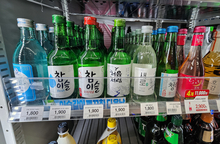
Soju prices are falling at Korea's convenience stores and supermarkets, but restaurants are reluctant to do the same amid rising operational costs.
Korea JoongAng Daily Sitemap