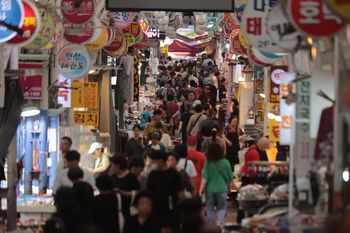
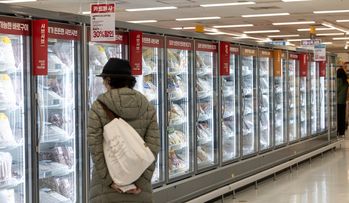
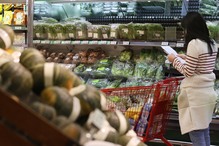
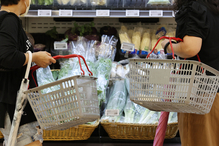
Rising food prices over the past five years have made inflation feel higher for consumers, prompting the government to step in with direct measures.
Korea’s producer prices rose in June for the first time in three months, driven by a jump in agricultural and livestock product prices, according to data released by the Bank of Korea (BOK).
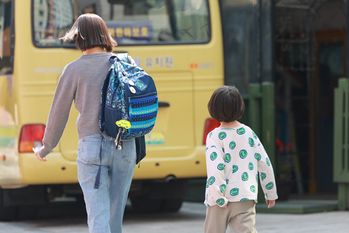
Education costs in Korea in March saw their biggest increase since 2009 during the global financial crisis, driven primarily by widespread university tuition hikes.
Data from Statistics Korea shows that the consumer price index has remained in the 2 percent range for three months, but consumers report that they still feel squeezed, especially on necessities.
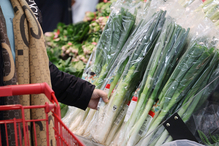
The government has increased subsidies for green onions and plans to lower tariffs to expand vegetable imports.
Consumer prices in the entertainment and culture sector rose 4.3 percent on year in February, the highest jump since December 2008, according to data by Statistics Korea on Tuesday.
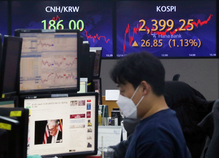
A screen in Hana Bank's trading room shows the Kospi closing at 2,399.25 points on Wednesday, up 26.85 points, or 1.13 percent, from the previous trading day.
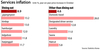
Inflation is hitting Koreans where it really hurts. At the restaurants. At the laundry. And at the barber.
Korea's producer prices bounced back in September following the first downturn in about two years a month earlier, as high energy and farming bills drove up costs, central bank data showed Friday.
The consumer price index for July rose over 6 percent, the highest in 23 years and eight months. The rise of petroleum products has slowed due to the drop in oil prices, but the consumer price index rose as the price for services such as...
Korea JoongAng Daily Sitemap