The current crisis has placed the government’s ability to manage external shocks under scrutiny. Its response will be critical in determining whether Korea can withstand mounting pressure on its industrial base.
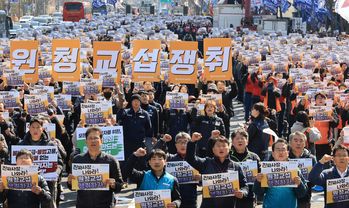
The government should also take proactive steps to minimize confusion and unintended consequences that have emerged since the yellow envelope law’s implementation.
The presidential office should overhaul the system for conveying the president’s messages. At a sensitive time, repeated controversy caused by unverified social media posts viewed around the world should not continue.
The more unconventional a policy, the greater the potential side effects that society must bear. To minimize these risks, the government must at least adhere to consistent principles in its operation.
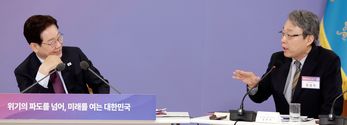
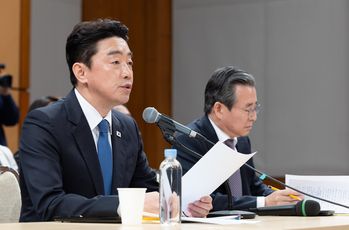
The council’s role should go beyond symbolic consultation and serve as a meaningful channel for policy guidance. For that to happen, the government must listen carefully to the kinds of candid criticism and proposals raised at the latest meeting.
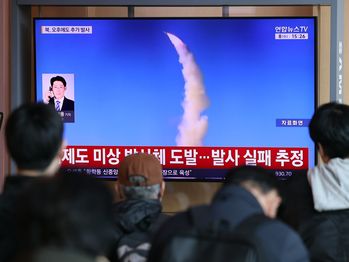
While maintaining a stable security environment that discourages the use of such weapons remains important, it is equally critical to ensure the capability to impose decisive costs in the event of conflict.
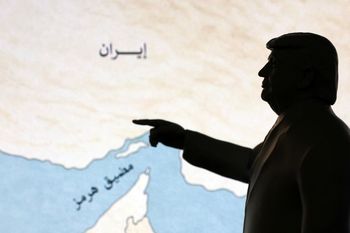
Korea should work with the International Maritime Organization to uphold free navigation and assert its rights as a major user of the strait.
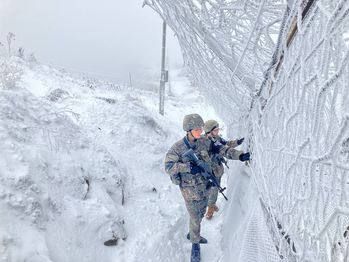
Before implementing troop reductions, the military should conduct a thorough assessment of North Korea’s evolving threats and Korea’s preparedness. Ensuring credible deterrence must remain the priority.
The current effort must go beyond symbolic diplomacy and produce tangible results in securing energy stability.
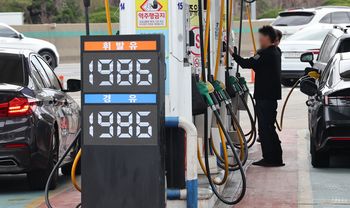
Economic polarization is worsening. Vulnerable groups will need stronger support, and the National Assembly must carefully assess whether a war-related supplementary budget is justified.
Korea JoongAng Daily Sitemap