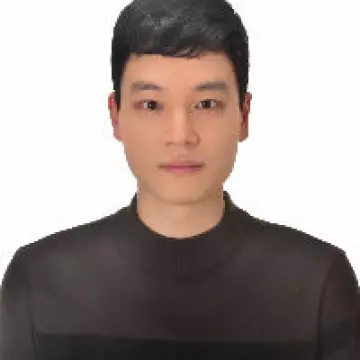
World Health Organization Director-General Tedros Adhanom Ghebreyesus speaks during an interview with the Korea JoongAng Daily and JoongAng Ilbo at the Shilla Seoul in Jung District, central Seoul, on Oct. 22.KANG JUNG-HYUN
The chief of the World Health Organization (WHO) said on Thursday that Korea is making a "substantial contribution” to global vaccine equity through its biomanufacturing training hub and pointed to AI as a tool for health care and disease surveillance.
WHO Director-General Tedros Adhanom Ghebreyesus shared his views on Korea’s growing role in global health care and his meeting with President Lee Jae Myung during an interview with the Korea JoongAng Daily and JoongAng Ilbo at the Shilla Seoul in Jung District, central Seoul, on Thursday.
On Tuesday, WHO and Korea opened a new facility for WHO’s global biomanufacturing training hub, designed to help transfer pharmaceutical technologies to low- and middle-income countries.
“We inaugurated a new training facility just two days ago,” Tedros said. “It is a brand-new, well-equipped facility that will have the capacity to train approximately 2,000 people every year. This network will expand our training capacity and strengthen local manufacturing capabilities around the world. So Korea is already making a substantial contribution.”
A Covid-19 vaccine is displayed at the Montgomery County Office of Public Health Upper Merion Township Community Clinic in King of Prussia, Pennsylvania, on Oct. 19.AP/YONHAP
“Several countries expressed interest in hosting the hub, and Korea was among them,” he continued. “But Korea demonstrated an especially strong commitment.”
He also praised Korea’s role during the Covid-19 pandemic and shared his views on how the country can contribute to WHO’s pandemic preparedness initiatives.
“One of the most serious weaknesses exposed by Covid-19 was the lack of equity,” he said. “Wealthy countries were able to secure vaccines very quickly. Some even obtained more doses than they needed, while poorer countries were left behind. To address this inequality, WHO proposed strengthening local production capacity, particularly in developing countries.”
He noted that Korea “moved very quickly and invested substantial resources in the initiative,” training approximately 4,000 people from 100 countries.
“This is a significant contribution to strengthening local production capacity,” Tedros said. “When the next pandemic strikes, I believe the world will be better prepared, particularly in terms of equitable access to vaccines and local manufacturing capacity.”
As for discussions with President Lee, Tedros said that he emphasized the role of AI in improving health care services.
World Health Organization Director-General Tedros Adhanom Ghebreyesus, left, shakes hands with President Lee Jae Myung at the Blue House in central Seoul on Oct. 21.JOINT PRESS CORPS
“I believe that it is essential that we make the most of the opportunities offered by AI,” he said. “The future of health care is digital, whether we like it or not. We now have tremendous opportunities to use digital technologies, particularly AI, to improve health care services. AI also has significant potential to strengthen health security. For example, it can be used in disease surveillance, vaccine research and development and many other areas.
“We had a very productive discussion about how these technologies could improve health systems and global health outcomes.”
Tedros also said he discussed WHO’s ongoing reforms with Lee.
“I briefed the president on the measures we are taking to make the organization more effective and efficient, particularly in light of the current challenges facing the world, including funding cuts,” he said. “We are working to transform the organization and strengthen its ability to respond to these challenges. I believe that every crisis also presents an opportunity. The important thing is to identify the opportunities within a crisis and use them to bring about positive change. That is exactly what we are trying to do at WHO.”
He also highlighted the contributions of Korean biopharmaceutical company EuBiologics, which produces oral cholera vaccines used to combat outbreaks in cholera-affected countries.
Tedros visited EuBiologics shortly before the interview.
“One of the reasons that I visited EuBiologics was to recognize the contributions that Korea’s pharmaceutical industry is making to global health, particularly in the area of public health,” he said. “Companies such as EuBiologics produce essential vaccines, including vaccines against cholera, typhoid fever and meningococcal disease. These diseases disproportionately affect developing countries. The challenge is that vaccines for these diseases may not generate large profit margins.
“In some cases, companies may even incur losses. That is why their commitment to public health is so important. EuBiologics is playing a valuable role in this area, and other Korean companies are also making important contributions.”
He emphasized that continued investment in such products is essential to addressing unmet public health needs, particularly in developing countries.
“I was also very pleased to learn that EuBiologics has plans to develop additional public health products,” he said. “That is exactly the kind of commitment we need, and I hope Korean pharmaceutical and biotechnology companies will continue to expand their contributions in this area.”
On Wednesday, he also attended the World Bio Summit at Coex Magok Convention Center in Gangseo District, western Seoul, where he addressed key global health issues, including AI’s transformative potential in health care systems worldwide.