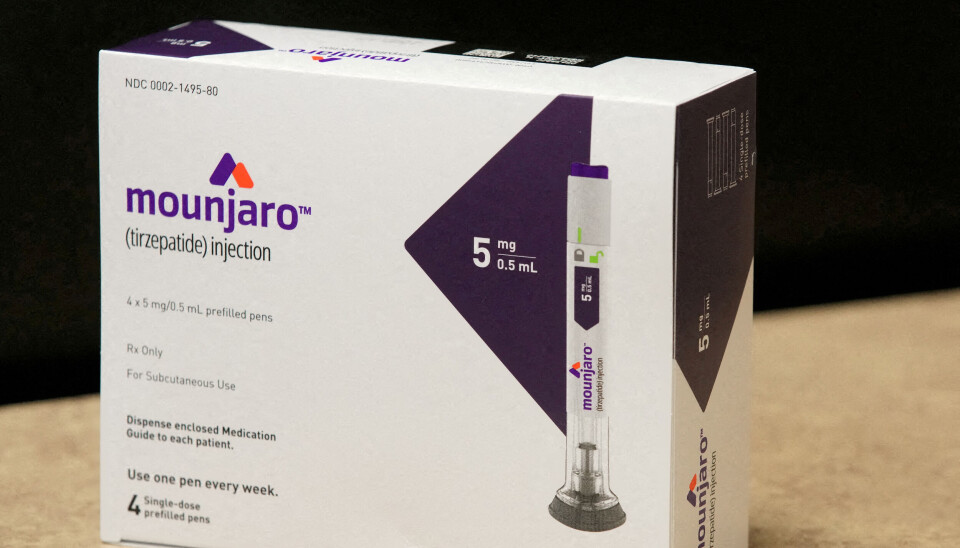
A box of Mounjaro, a tirzepatide injection drug used for treating type 2 diabetes made by Eli LillyREUTERS/YONHAP
Attempts to smuggle cheaper glucagon-like peptide-1 receptor agonists (GLP-1) obesity drugs such as Mounjaro and Wegovy into Korea from overseas are surging as patients seek relief from steep domestic prices. The trend has become so widespread that online communities have coined terms such as “Sushi-jaro” and “India-jaro” for drugs purchased in lower-cost markets like Japan and India.
While the government has been blocking the import of obesity drugs purchased abroad, citing misuse and safety concerns, critics say authorities are simply stepping up enforcement without offering solutions to reduce the medication cost burden for obesity patients in Korea.
A total of 289 cases of travelers attempting to bring obesity drugs into the country through Incheon International Airport were detected between January and May this year, according to data provided by the Korea Customs Service to Rep. Seo Mi-hwa of the Democratic Party of Korea on Monday. Seo is a member of the National Assembly’s Health and Welfare Committee.
The figure rose sharply from 86 cases recorded between September and December last year. As demand for obesity drugs has grown, more travelers have apparently been trying to bring injectable medications purchased overseas home in their luggage.
Attempts to import the drugs through international mail have also rapidly increased. Between January and May this year, customs authorities detected 2,940 cases of obesity drugs entering the country through international postal services. That amounts to roughly 600 cases per month, or about 20 cases a day. The figure has already reached 2.7 times the total number of detections recorded last year, which stood at 1,107.
Stories of purchasing Mounjaro and other obesity drugs overseas are easy to find online.
"Airport authorities do not thoroughly inspect every piece of carry-on luggage, so it's generally considered safe,” a comment said.
Injection pens of Novo Nordisk's weight-loss drug WegovyREUTERS/YONHAP
“Even buying just a one-month supply more than covers the cost of the flight,” another wrote.
One person who recently brought back a two-month supply of Mounjaro from Japan said, “I put it in my backpack because I thought a hand-carried bag might attract suspicion, and fortunately I wasn’t caught.”
Customs enforcement alone is unlikely to stop the growing volume of overseas imports.
Even when obesity drugs are detected, the usual consequence is confiscation of the products, with no separate criminal penalty.
“It is not realistically possible to conduct comprehensive inspections of travelers’ belongings specifically for obesity drugs,” a Korea Customs Service representative said.
The Ministry of Food and Drug Safety plans to designate obesity drugs as medicines with a high risk of misuse in the near future and strengthen oversight of illegal imports and online distribution.
A pedestrian walks by a pharmacy in Jongno District, central Seoul, on Feb. 9, 2025.YONHAP
Expensive price tag
The fundamental reason overseas purchases continue to increase despite enforcement efforts is the large price gap between Korea and other countries. A four-week supply of the introductory 2.5 milligram dose of Mounjaro costs 290,000 won ($188) at some of the cheapest clinics in Seoul, often referred to as prescribing “hot spots.” In Japan, the same supply costs about 74,000 won.
The 10-milligram dose costs 540,000 won in Korea compared with 294,000 won in Japan, meaning prices can differ by roughly two to four times depending on the dosage.
One reason prices are lower in Japan is that the country uses a different drug-pricing system. Mounjaro is included in Japan’s national health insurance pricing framework as a treatment for Type 2 diabetes, allowing the government to manage its price. Prescriptions for obesity treatment are not covered by insurance in Japan either, but the purchase prices paid by clinics offering noncovered prescriptions are influenced by insurance drug prices.
Competition among online medical clinics has also intensified, helping to drive prices below Korean levels.
Korea, in contrast, is expected to maintain high out-of-pocket prices for the foreseeable future after reimbursement negotiations between Eli Lilly Korea, the company that produces Mounjaro, and the National Health Insurance Service collapsed last month.
As a result, criticism has emerged among medical professionals and consumers that the government is focusing on cracking down on overseas imports without reducing patients’ medication costs. On social media, some users have summed up the criticism with the phrase, "Sushi-jaro wins, Kimchi-jaro loses."
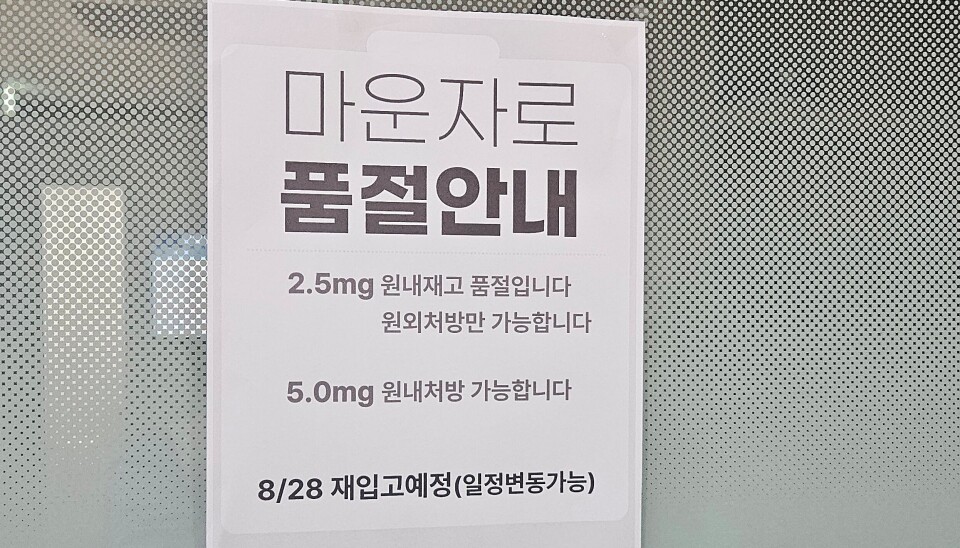
A notice is seen posted at a clinic in Jongno District, central Seoul, on Aug. 25, 2025, announcing that the obesity treatment drug Mounjaro is sold out.CHAE HYE-SEON
Broader coverage for reasonable price
Experts say Korea should recognize obesity as a chronic disease and improve access to treatment, including through broader insurance coverage.
“Recognizing severe obesity as a disease within the national health insurance system and including it as a covered condition would be a reasonable way to reduce patients' drug-cost burden,” said Oh Sang-woo, a professor of family medicine at Dongguk University Ilsan Hospital.
Prof. Kim Dae-jung of endocrinology and metabolism at Ajou University Hospital said obesity treatment requires a long-term approach and that even drugs widely described as “game changers” remain out of reach for many patients who need them because of their cost.
Rep. Seo said the sharp increase in attempts to import obesity drugs from overseas should not simply be viewed as individual misconduct.
“The government needs to take a comprehensive look at domestic pricing burdens, prescription management systems and patient safety issues alongside efforts to crack down on illegal imports,” Rep. Seo said.
“Before strengthening regulations on misuse, there is a need for a phased reimbursement system that recognizes obesity as a chronic disease that causes a range of complications and begins by covering patients with severe obesity who have the most urgent treatment needs,” Rep. Seo added.
This article was originally written in Korean and translated by a bilingual reporter with the help of generative AI tools. It was then edited by a native English-speaking editor. All AI-assisted translations are reviewed and refined by our newsroom.