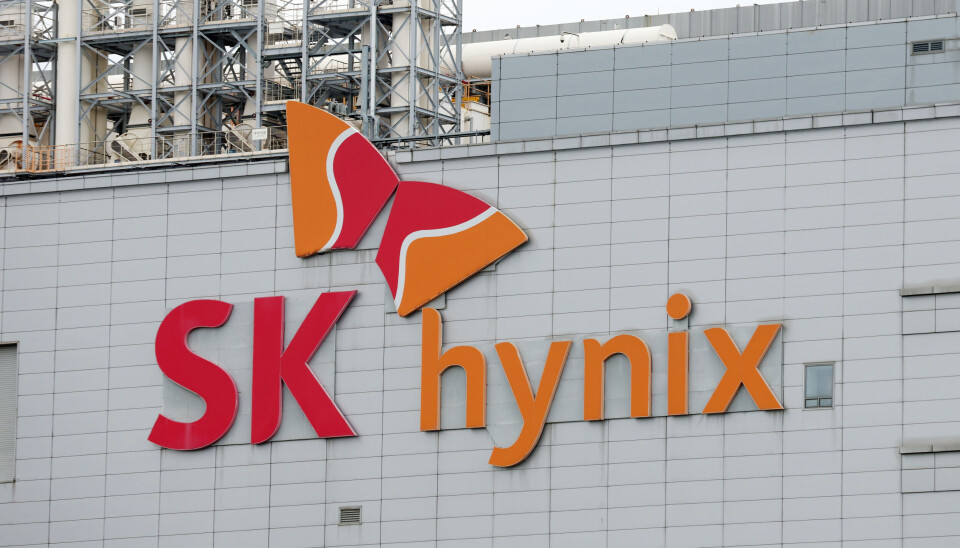
SK hynix's headquarters in Icheon, Gyeonggi, on Aug. 24NEWS1
A tentative wage deal at SK hynix that would pay out 60 percent of performance bonuses in company shares collapsed on Tuesday after union members rejected it by a narrow margin.
The talks are now back to square one.
A total of 50.08 percent of members, or 7,535 of the 15,045 voters, opposed the agreement, according to the SK hynix union. The remaining 49.92 percent, or 7,510, voted in favor. The 0.16 percentage point margin amounted to just 25 votes. Turnout was 93.81 percent.
The payment structure for performance bonuses was the central issue in solidifying the tentative agreement.
Last year, labor and management agreed to remove the cap on profit-sharing bonuses, known as PS, which are funded by 10 percent of annual operating profit. Both sides also agreed to keep the bonuses entirely in cash for 10 years.
However, the latest proposal would have revised that system just a year later. It included a 6.3 percent wage increase and called for 40 percent of performance bonuses to be paid in cash and the remaining 60 percent in SK hynix shares.
The 40 percent stock portion would be distributed immediately, while the remaining 20 percent would be paid in two installments of 10 percent each after one and two years.
Job seekers browse through recruitment materials for SK hynix in Gwangju on Aug. 24.YONHAP
For this year's performance bonuses, employees could have choose to receive up to 80 percent in cash.
The agreement also included safeguards against a decline in SK hynix's share price. The number of shares awarded would be calculated using the lowest closing price among three dates: the release of the company's preliminary annual results, the cash payment date for the PS bonus and the stock distribution date.
If the share price fell further the day after distribution and the shares were worth less than the promised amount, the company would cover the difference in cash.
The company's proposal appears to have been influenced by the spread of demands at other companies for bonuses tied to a fixed percentage of profits.
"No one expected anyone to make this much money from semiconductors," SK Group Chairman Chey Tae-won said last month. "If the happiness of our members comes at the expense of other stakeholders, adjustments are necessary to ensure sustainable well-being.”
But employees have voiced frustration that the company sought to change the cash-based payment system just one year after agreeing to keep it in place for a decade. Some workers fear that stock-price volatility and the tax burden could leave them worse off than if the bonus were paid entirely in cash.
The integrated union, which was launched on Aug. 13 and now has more than 3,400 members, has also called for the previous agreement to be upheld.
Chey Tae-won, SK Group Chairman and head of the Korea Chamber of Commerce and Industry, speaks during a forum on Jeju Island on July 15.YONHAP
With the tentative deal rejected, labor and management are expected to return to the negotiation table.
Workers across Korean industries are increasingly demanding performance bonuses based on a fixed percentage of company profits, a push that began in the semiconductor sector.
Samsung Electronics, after a prolonged labor dispute, agreed in May to set aside 10.5 percent of the operating profit from its Device Solutions division, which oversees its semiconductor business, to fund special performance bonuses.
The union at Hyundai Motor launched its first full-scale strike in a decade after demanding that 30 percent of last year's net profit be earmarked for performance bonuses. The workers and automaker reached a tentative agreement with management on Tuesday to set individual performance bonuses at 400 percent of base pay and a lump-sum payment of 12.7 million won ($9,200).
Unions at Kia and HD Hyundai Heavy Industries are also demanding that at least 30 percent of operating profit be distributed to employees through performance bonuses and other compensation.
This article was originally written in Korean and translated by a bilingual reporter with the help of generative AI tools. It was then edited by a native English-speaking editor. All AI-assisted translations are reviewed and refined by our newsroom.