AMRO lifts Korea growth forecast to 3.3%

The regional surveillance body raised its 2026 forecast for Korea while warning that weaker AI demand and higher energy costs could pose risks.

Published
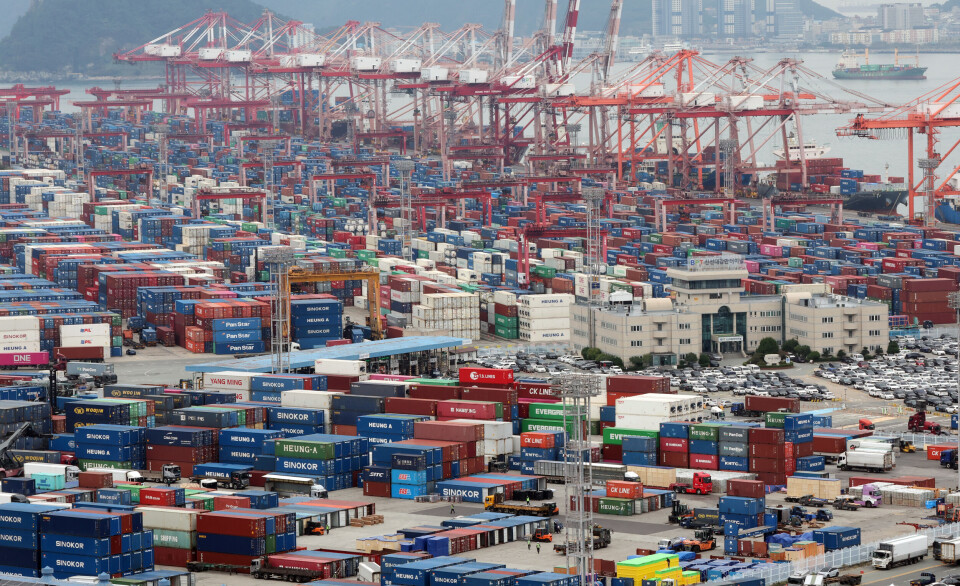
Export and import cargo is stacked at Sinseondae Pier in Busan Port on Oct. 1.


Korea's economy will expand 3.3 percent this year, up from a previous forecast of 3.1 percent, an economic surveillance organization in Asia projected Monday.

The Asean+3 Macroeconomic Research Office (AMRO) made the assessment in its quarterly update report, without further elaborating on the reasons for the revision from its July forecast.

For 2027, the organization expected Asia's No. 4 economy to grow 2.7 percent, compared to its previous estimate of 2.2 percent.

The agency expected consumer prices to rise 2.7 percent on year in 2026, compared to its previous forecast of 2.6 percent. For 2027, the inflation forecast was revised down from 2.4 percent to 2.3 percent.

Last month, the Organisation for Economic Cooperation and Development (OECD) raised its 2026 economic growth forecast for Korea to 3.7 percent, citing the country's robust exports.

The Paris-based organization's prediction marks a 1.1 percentage-point increase from the 2.6 percent forecast in its June report.

The OECD said strong exports and rising production would drive Korea's economic growth this year, while a gradual recovery in consumption would continue next year.

In September, the Asian Development Bank also raised its 2026 economic growth forecast for Korea to 3.2 percent from the 2.6 percent projected in July, citing strong exports and corporate earnings amid the AI boom.

AMRO, meanwhile, noted that a slowdown in AI-related demand could weigh on exports and investment activities in the region.

Rising energy, transportation and production costs in the aftermath of the Middle East crisis could also add to inflationary pressures, while climate change could lead to higher food prices, it added.

Other structural challenges for the Asian region include fragmentation and an aging population, the report said.


Yonhap